February 24, 2026
Building with the Land
February 17, 2026
Building With The Land
Every property carries its own logic — slope, soil, wind, light. The strongest homes begin by listening to those conditions rather than imposing a design that ignores them.
Too often, homes are designed in isolation and then forced onto a site. The result may be visually impressive, but it rarely feels settled. It rarely feels inevitable. When architecture works in harmony with the land, the experience is entirely different. The home feels grounded, natural, and timeless — as if it has always belonged there.
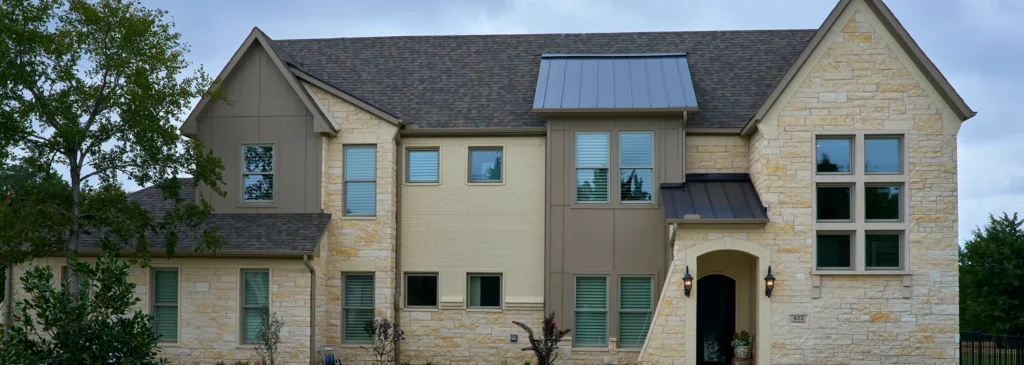
The Land Comes First
Before sketches are drawn or materials selected, we study the site itself. On a lakefront property, this means understanding:
- Natural grade changes and elevation shifts
- Soil conditions and drainage patterns
- Prevailing winds off the water
- Sun orientation throughout the day and across seasons
- View corridors worth preserving
These factors are not constraints. They are opportunities.
A gentle slope might suggest a walkout lower level that opens seamlessly toward the water. A stand of mature trees might frame a natural arrival sequence. A western sunset might influence the placement of outdoor living areas designed for evening gatherings.
When we design with the land, the home becomes part of the landscape — not an interruption of it.
Designing for Light and Air
Light is not static. It moves. It shifts. It changes character throughout the day.
A thoughtfully designed home captures morning light in the kitchen, soft afternoon light in the living spaces, and golden evening light along the terrace. Overhangs are positioned intentionally. Windows are placed not only for view but for balance — managing heat gain while preserving openness.
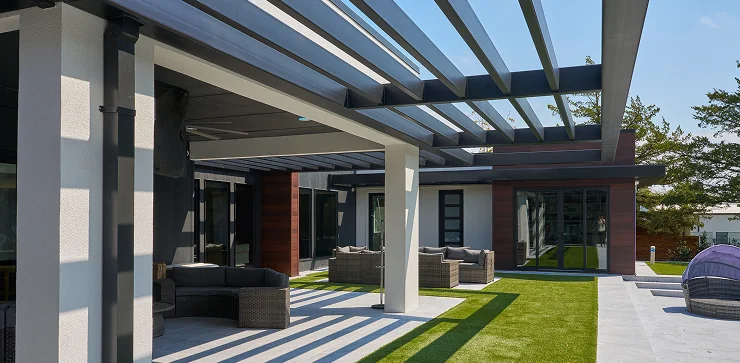
On Texas lakes, wind patterns also matter. Proper orientation can enhance natural ventilation, reducing dependence on mechanical systems while increasing comfort.
When architecture listens to these elements, the result is both beautiful and practical.
Structural Integrity in Waterfront Environments
Waterfront construction is an extraordinary privilege — and an equally serious responsibility. Designing and building along a lakefront demands far more than aesthetic sensitivity. It requires a deep understanding of land behavior, water dynamics, climate patterns, and structural performance over decades.
A lake may appear calm and picturesque, but the environment surrounding it is constantly shifting. Soil composition changes with moisture levels. Shorelines subtly erode. Seasonal freeze–thaw cycles place pressure on foundations. Humidity affects materials. Wind exposure increases structural load.
To build responsibly in this setting is to approach the project not as a standard residential build, but as a carefully engineered response to a living landscape.
Insights on Lakefront Living
Explore expert guidance on lakefront design, construction strategy, structural planning, and custom homebuilding along Texas waterfront properties.